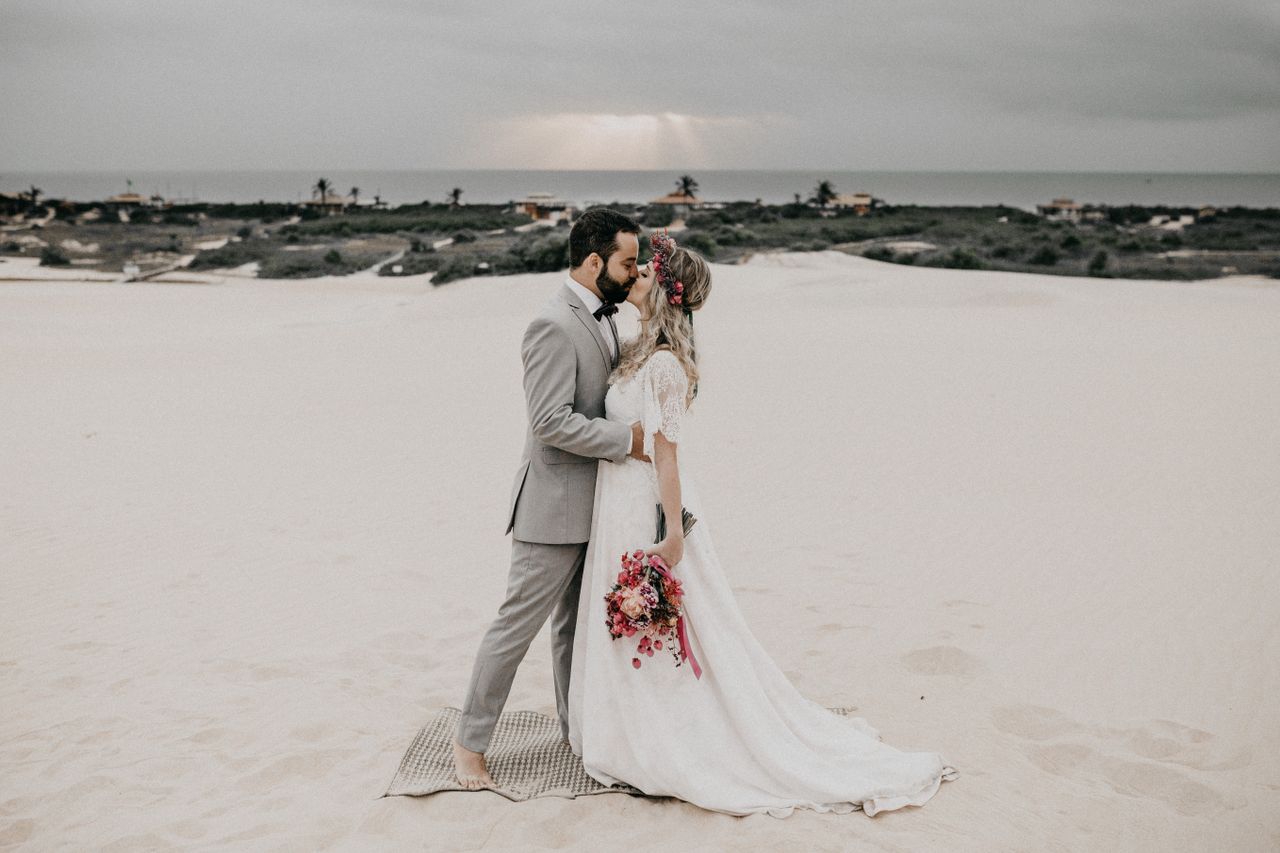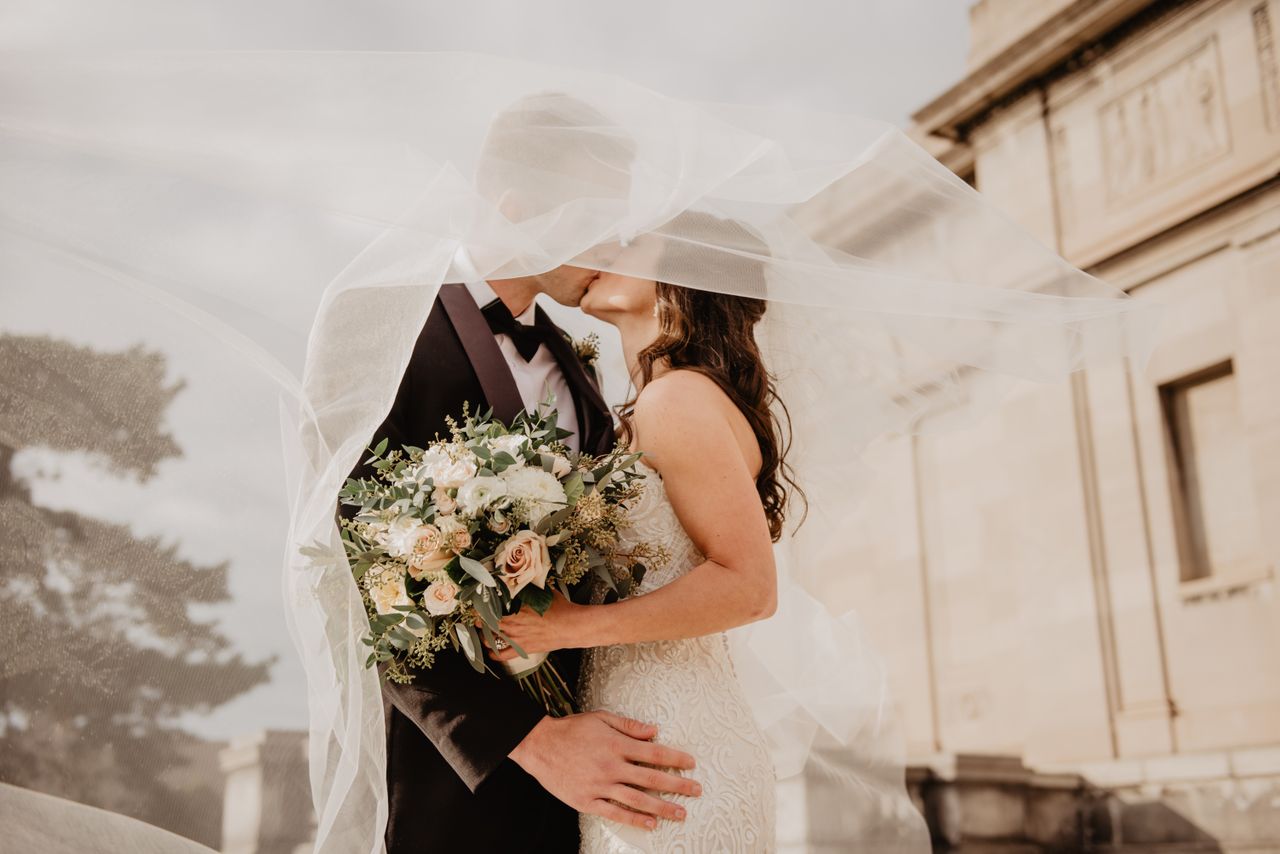


Choose a wedding florist by comparing their real work, creative approach, service area, communication and experience with celebrations like yours. Share your date, venue, guest count, colour direction and budget early. A good florist will translate those details into a practical design, recommend seasonal alternatives and show where flowers will create the greatest impact.
When should you book a wedding florist in Australia?
Many couples book a florist around nine to twelve months before the wedding, after the venue and broad style are confirmed. Highly sought-after studios and popular spring or autumn dates may fill earlier. Shorter timelines can still work, particularly when you are flexible about flower varieties and design scale.
Do not wait until every colour and table detail is decided. Florists can help shape those choices. They need enough information to understand the space, service requirements and investment, but the design can be refined as the planning develops.
Start by exploring Australian wedding florists whose work fits the atmosphere you want. If you are still resolving the wider visual direction, compare wedding planners and stylists at the same time so responsibility for the overall design is clear.
What should be included in a wedding floral brief?
A useful brief is concise and specific. Begin with the feeling of the wedding, not a shopping list of flower names. Words such as sculptural, abundant, airy, garden-inspired, tonal, modern or romantic help a florist understand the intended visual language.
- Wedding date, venue and ceremony location.
- Estimated guest numbers and reception layout.
- Wedding party numbers and personal flower requirements.
- Preferred colours, textures and overall atmosphere.
- Three or four inspiration images with notes about what you like.
- Existing venue features or styling that flowers should complement.
- Your floral budget range and the areas you want to prioritise.
- Any flowers, colours or fragrances you strongly dislike.
Moodboards are helpful when they show a coherent direction. Avoid combining images from celebrations with completely different seasons, venues and budgets without explanation. Tell the florist whether you love the palette, shape, scale or specific detail in each reference.
Which wedding flowers do you actually need?
There are no compulsory flowers. Begin with personal pieces and the spaces that will be photographed or experienced most. Your florist can create a hierarchy that directs budget toward meaningful impact rather than spreading small arrangements across every surface.
Personal flowers
These may include bouquets, buttonholes, corsages, flower crowns or culturally significant pieces. Confirm who needs each item, how they will be labelled and where they should be delivered. Consider scale, attire, comfort and durability.
Ceremony flowers
Ceremony florals can frame the vows, line an aisle, welcome guests or soften an existing structure. Ask whether arrangements can be moved safely to the reception. Reuse is most successful when transport time, access and the later location are planned from the beginning.
Reception flowers
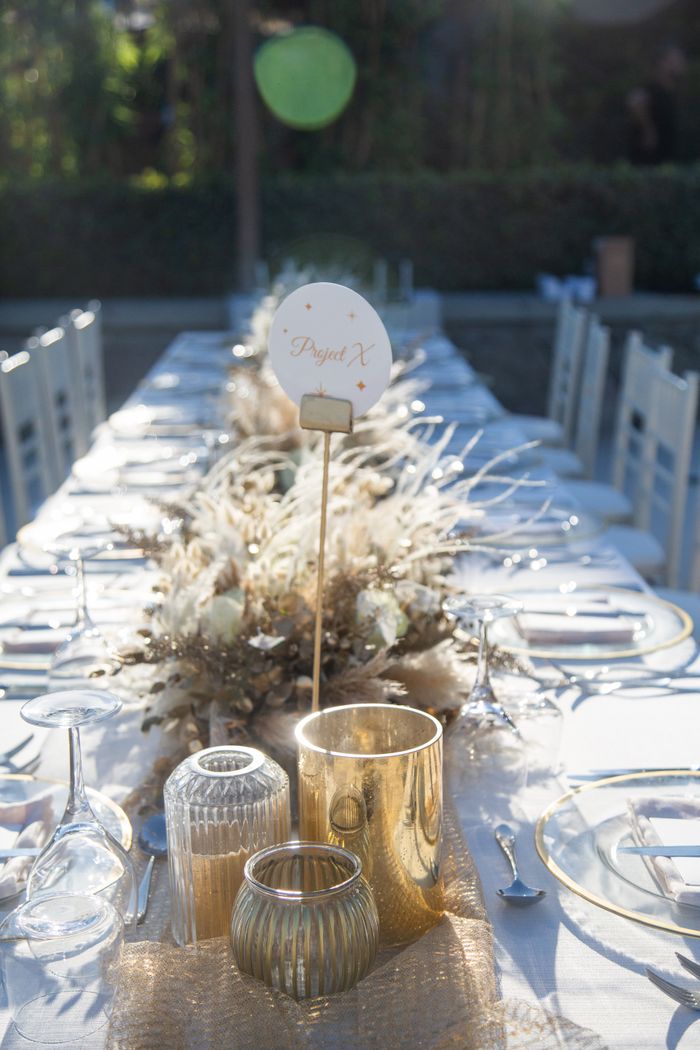
Reception designs may include table arrangements, a bar feature, entrance flowers, cake flowers or installations. Table florals must allow conversation and work with candles, menus, shared food and service space. A dramatic feature can sometimes create more impact than many small pieces.
What affects the cost of wedding flowers?
Wedding flower pricing reflects more than the stems visible on the day. It includes design, sourcing, conditioning, mechanics, vessels, preparation, staffing, delivery, installation, pack-down and disposal or retrieval. Large installations may also require engineering, rigging, ladders or venue approvals.
- Flower varieties, seasonality and market availability.
- The size, density and complexity of each arrangement.
- Imported flowers or specific out-of-season requests.
- Number of tables, wedding party members and ceremony features.
- Venue access, stairs, loading distances and setup windows.
- Structures, vessels, candles and other hired items.
- Labour for installation, relocation and late-night pack-down.
- Travel between the studio, preparation locations, ceremony and reception.
Ask for a proposal that explains major inclusions and service costs. Florists may price designs as estimates because flower markets change. The agreement should explain substitutions and how the final design will retain the agreed palette and feeling.
How to set a realistic wedding flower budget
There is no useful universal percentage because wedding styles differ. A restaurant wedding needing bouquets and table bud vases has a different floral scope from a marquee wedding with ceremony structures and hanging installations. Start with a real dollar range, then ask what can be achieved within it.
If the initial concept is above budget, reduce the number or scale of features rather than asking for identical work at a lower price. Prioritise the bouquet, ceremony backdrop, bridal table or room feature according to what matters most. Seasonal flexibility and thoughtful reuse may also help.
Seasonal wedding flowers in Australia
Seasonality influences availability, quality and price, but flowers do not follow an exact calendar. Weather, growing conditions and wholesale markets vary. Instead of building the entire concept around one fragile variety, give your florist permission to choose the best seasonal ingredients within an agreed palette and style.
If a flower has personal meaning, mention it early and ask about likely availability. A florist may recommend a similar shape, colour or texture as a backup. This approach protects the overall design if a crop is limited or quality changes close to the wedding.
How to compare wedding florists
Review complete events and look for consistency across bouquets, ceremony features and reception details. Consider whether the florist adapts to different venues while retaining a strong standard. Their portfolio should show technical skill as well as a style you enjoy.
Communication and logistics are equally important. The florist should ask about access, timings, weather, table dimensions and other vendors. A creative proposal is strongest when it is supported by a clear plan for delivery, installation and pack-down.
Questions to ask a wedding florist
- Are you available for our date and service locations?
- Is there a minimum spend, and what services count toward it?
- How would you interpret our brief and venue?
- Which designs would create the most impact within our budget?
- How do substitutions work if a flower is unavailable?
- Are vessels, structures and candles hired or purchased?
- Who installs, relocates and removes the flowers?
- What venue access or rigging information do you need?
- Can ceremony flowers be reused at the reception?
- When is the final design confirmed and the balance due?
- What happens if guest numbers or table layouts change?
- Can you coordinate directly with our planner, stylist and venue?
Can ceremony flowers be reused at the reception?
Often, but not always. Ground arrangements may suit an entrance or bridal table, and a ceremony structure may be repositioned behind the couple. The florist must assess weight, mechanics, transport, timing and safety. A room may also need the flowers before the ceremony finishes, making reuse impractical.
Plan reuse during the design stage. Last-minute requests can place arrangements, staff and the venue at risk. When reuse is not sensible, invest in one location confidently rather than compromising both.
Sustainable choices for wedding flowers
Ask your florist about locally grown or seasonal ingredients, foam-free mechanics, reusable vessels and end-of-event plans. Sustainability is not one aesthetic and does not require a rustic look. It is a series of sourcing and design decisions that vary by studio and venue.
You may arrange for guests to take table flowers, donate suitable arrangements or compost green waste. Discuss this before the wedding so hired vessels and structural components are not accidentally removed.
How florists work with planners, stylists and venues
Floral design intersects with furniture, linen, lighting, stationery and catering. Share supplier contacts and confirm who owns the overall styling plan. The florist needs accurate table sizes, linen colours, ceremony dimensions and access times to design confidently.
The venue should provide accurate access and table information, while your wedding photographer can advise on timing for bouquet and detail photographs. If cake flowers are planned, introduce the florist to your cake or dessert designer so food safety and placement are agreed in advance.
If an installation will be suspended or attached to venue structures, approvals may be required. Your florist and planner should agree on responsibilities, documentation and timelines well before the wedding.
Frequently asked questions about wedding florists
Do we need to know specific flower names?
No. Describe colours, shapes, textures and atmosphere. A skilled florist can recommend suitable seasonal flowers and explain how the combination will achieve the desired result.
Can a florist copy an inspiration photo exactly?
Flowers are natural materials and each venue is different, so exact copying is neither realistic nor desirable. Use references to communicate direction, then allow the florist to create an original design for your celebration.
When should the floral design be finalised?
The concept is usually agreed during booking, then refined after layouts, guest numbers and other styling decisions become clear. Your florist will set deadlines for final quantities and changes.
Who delivers the bouquets?
This depends on the package. Confirm delivery addresses, access and timing, and provide a contact who is not the person getting married. Personal flowers should be labelled and accompanied by simple care instructions.
Are cake flowers organised by the florist or cake designer?
Ask both suppliers and put the responsibility in writing. The florist may provide safely prepared flowers while the cake designer places them. Not every flower is food-safe, so professional coordination is important.
Explore Australian wedding florists and discover creative professionals who can translate your venue, season and story into flowers.