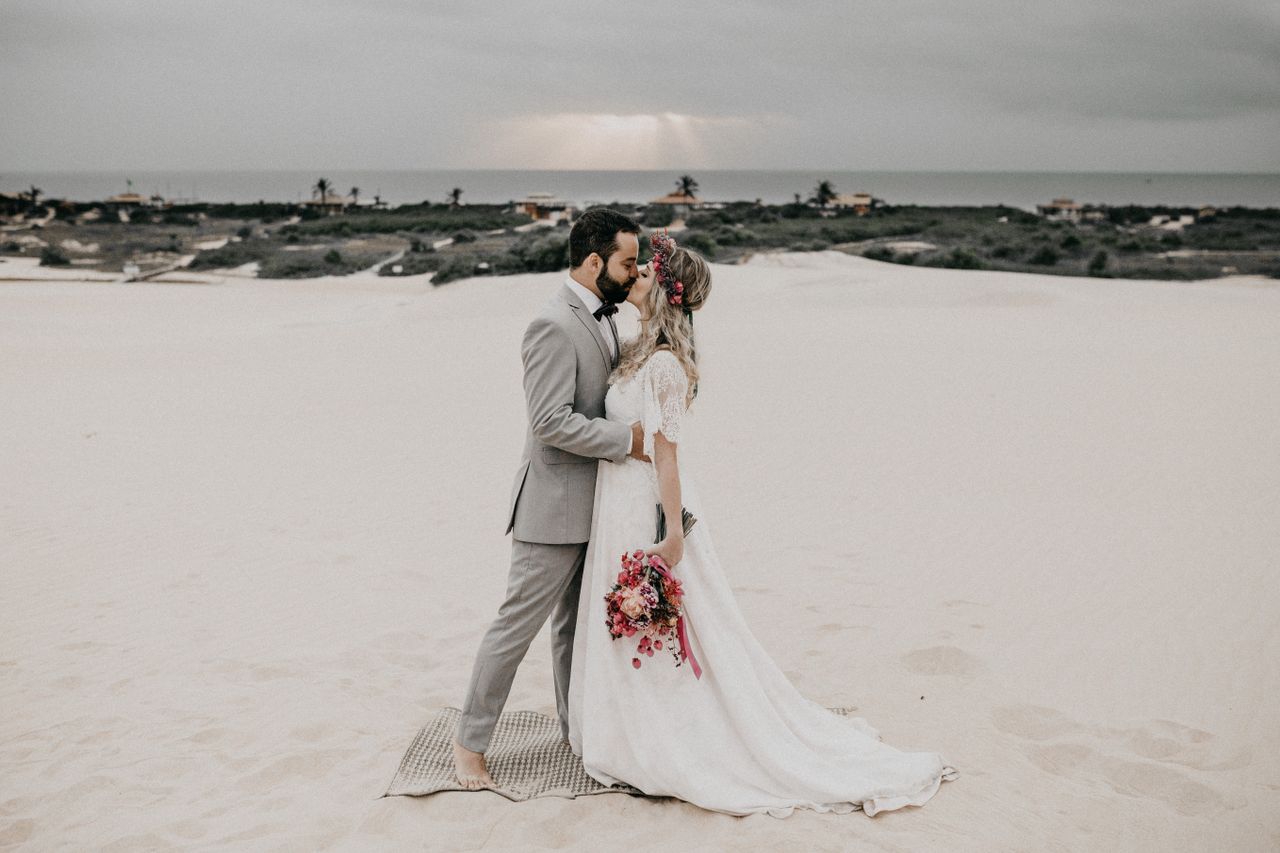

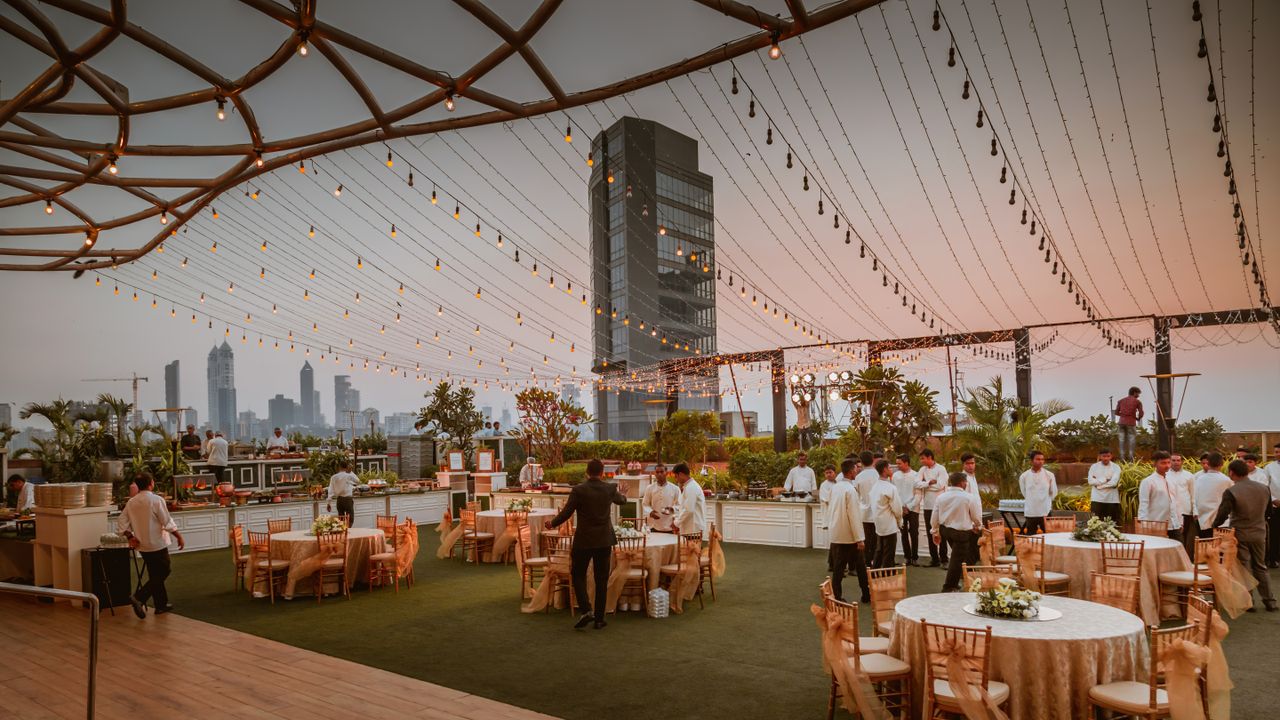
To choose a wedding venue in Melbourne or Sydney, begin with guest count, budget, preferred atmosphere and practical access. Compare total inclusions rather than hire fees alone, inspect the wet-weather plan, ask about catering and styling restrictions, and picture the complete guest journey from arrival to departure. The right venue makes later planning clearer because it supports both your vision and your logistics.
What should you know before touring wedding venues?
A venue tour is most useful when you arrive with a realistic framework. Estimate your guest count, identify a preferred season and decide whether the ceremony and reception should occur at the same property. Set a total venue-related budget that includes hire, food, beverages, staffing and essential rentals, not just the advertised room fee.
Choose two or three words for the desired atmosphere. An intimate editorial dinner requires a different space from a relaxed garden celebration or a large formal ballroom. The venue does not need to provide every decorative detail, but its architecture, setting and operational style should support the experience you want.
Begin with Luxe & Loved’s Australian wedding venue collection, then compare the strongest options against the checklist below. If the celebration involves complex access, a marquee or several locations, a wedding planner or stylist can help evaluate the operational details before you commit.
- Approximate adult and child guest numbers.
- Preferred months and acceptable days of the week.
- Ceremony style and whether an indoor backup is essential.
- Seated dinner, cocktail reception or another service format.
- Accessibility, transport and accommodation priorities.
- Three non-negotiables and three areas where you can be flexible.
Melbourne wedding venue considerations
Melbourne offers city restaurants, converted warehouses, galleries, historic properties, wineries and regional estates within reach of the CBD. The variety is a strength, but the city’s changeable conditions make a complete weather plan essential. Ask to see the actual indoor ceremony alternative rather than accepting a general promise that the ceremony can be moved inside.
For inner-city venues, clarify parking, loading zones, noise restrictions and public transport access. If guests are moving from a ceremony location to a separate reception, test the journey at a similar time of day. Traffic, major events and limited parking can affect the schedule.
Regional Victorian venues may offer extraordinary landscapes and longer celebrations. Confirm accommodation, late-night transport, vendor travel costs and what happens to outdoor areas after rain. Ask whether the property has preferred suppliers and whether those relationships are optional or required.
Once a Victorian venue is shortlisted, check whether your preferred photographer, florist and celebrant regularly service Melbourne and the surrounding region. Travel expectations are much easier to manage when they are discussed before booking.
Sydney wedding venue considerations
Sydney venues range from harbour rooms and coastal properties to restaurants, gardens, industrial spaces and estates beyond the city. A view can be spectacular, but access, weather exposure and guest movement still matter. Visit at the approximate time of day you plan to celebrate so you can understand light, heat and traffic around the venue.
Waterfront spaces should have a plan for wind, rain and strong afternoon light. Ask how ceremonies are relocated, whether umbrellas or shade can be installed and how photographers work around harsh or reflective conditions. A beautiful outlook is most valuable when guests can enjoy it comfortably.
Sydney travel times can be deceptive. Consider accommodation, transport and the distance between ceremony, portraits and reception. If a venue has limited parking, provide guests with clear public transport, taxi or shuttle information well before the day.
Sydney couples can use the Find Wedding Vendors directory to compare suitable professionals across categories. Keeping the venue, creative team and guest journey connected prevents isolated decisions from creating avoidable logistics later.

What types of wedding venues should you compare?
Hotels and dedicated event venues
These venues often provide experienced event teams, established packages and reliable wet-weather options. They can simplify catering, furniture, staffing and accommodation. Check how much creative flexibility is allowed and whether multiple events may occur on the property at the same time.
Restaurants and private dining rooms
Restaurants are ideal for couples who prioritise food, service and an intimate atmosphere. Existing furniture and styling can reduce setup. Confirm ceremony options, exclusive use, music limits, minimum spend and whether the layout allows speeches and dancing.
Warehouses, galleries and blank spaces
A flexible shell allows a distinctive design, but may require more rentals, lighting, power, staffing and coordination. Request a complete list of what is not supplied. The apparent freedom of a blank space should be balanced against the cost and time needed to transform it.
Gardens, wineries and regional estates
These locations offer scenery and a destination feeling. Ask about ground conditions, accessibility, accommodation, transport and backup spaces. Outdoor sound limits and fire or weather restrictions may also affect the plan.
Private properties and marquees
A private property can be personal and extraordinary, but it is also a temporary event site. You may need power, bathrooms, catering infrastructure, flooring, waste systems, lighting, security and council considerations. A planner experienced in property weddings is highly valuable.
How do you compare wedding venue costs accurately?
Create a comparison table that shows the total likely cost for the same guest count and service level. One venue may charge a higher per-person rate but include tables, chairs, linen, staffing, sound and a coordinator. Another may have a lower hire fee while requiring every item to be sourced separately.
- Venue hire and minimum food or beverage spend.
- Ceremony fee and wet-weather setup fee.
- Furniture, linen, tableware and existing decor.
- Staffing, security, cleaning and coordination.
- Audio, lighting, power and technical support.
- Cake cutting, corkage, vendor meals and overtime.
- Setup and pack-down access, including extra-day charges.
- Public holiday, Sunday or peak-season pricing.
Ask whether prices are current for your wedding year and whether GST is included. Review payment dates, bond arrangements and cancellation or postponement terms before signing.
Capacity is more than a maximum number
A venue’s maximum capacity may assume a layout that does not include a dance floor, band, lounge area or generous table spacing. Ask to see floor plans for your expected guest number and service style. A room that technically fits everyone can still feel crowded or disconnected.
Also ask about minimum guest numbers or spend requirements. If your list may change, understand the financial effect of fewer attendees. For cocktail receptions, confirm seating for older guests and anyone who cannot stand for long periods.
What should you inspect during a venue tour?
- The ceremony location and the genuine weather backup.
- Guest arrival route, parking, bathrooms and accessibility.
- Natural light and temperature at the planned event time.
- Bridal or preparation rooms and secure storage.
- Kitchen and loading access for external suppliers.
- Power, sound limits, lighting and dance-floor location.
- Where portraits can be taken if it rains.
- The route between ceremony, drinks and reception spaces.
- Pack-down arrangements and collection times the next day.
Take photos and notes, but also pause to experience the space. Notice noise, staff interactions and how easily guests will understand where to go. The best venue tour answers practical questions while allowing you to imagine the celebration.
Questions to ask every Melbourne or Sydney wedding venue
- Is our preferred date available, and how long is it held without payment?
- Is the venue exclusive, or will other events take place at the same time?
- What is included in the quoted price for our guest count?
- Which suppliers are required, preferred or completely open choice?
- What are the setup, event and pack-down access hours?
- What is the wet-weather decision process and who makes the final call?
- Are candles, confetti, hanging installations or amplified music restricted?
- What accessibility, parking and transport options are available?
- When are final guest numbers due and what happens if they change?
- Who is our contact before and during the wedding?
How to know when you have found the right venue
The right venue meets your essential capacity, budget and access needs without requiring you to fight the space. Its team communicates clearly, the agreement matches what was promised and the backup plan is acceptable, not merely tolerable. You can picture guests feeling welcomed and the vendor team working efficiently.
Allow yourself to value emotion, but confirm the details before paying. A venue can feel magical and still be the wrong operational fit. When both the feeling and the practical answers are strong, you can book with confidence.
Frequently asked questions about choosing a wedding venue
How many wedding venues should we tour?
Tour three to five serious options after researching online. Too many visits can blur the differences. If the first venue meets every requirement, you can still request a complete proposal and take a day to review it before deciding.
Should the ceremony and reception be at the same venue?
A single location simplifies transport and gives guests more time to relax. Separate venues can be meaningful or offer a wider creative choice. If locations differ, plan realistic travel, parking and accessibility.
What is the best season for a Melbourne or Sydney wedding?
There is no single best season. Choose based on your preferred atmosphere, venue availability, guest comfort and budget. Every month requires a weather plan, including rain, heat, wind and temperature changes.
Can we use our own wedding vendors?
That depends on the venue. Some require specific caterers or have preferred supplier lists. Ask whether outside vendors attract fees, need approvals or must provide insurance and technical documentation.
When should we book the venue?
Book once your budget and guest count are credible and the agreement has been reviewed. Many popular dates are secured 12 to 18 months ahead, but flexible couples can find excellent options on shorter timelines.
Explore Australian wedding venues and discover spaces that suit your style, guest list and celebration.